Washington-Backed Projects Draw U.S. Business Delegation to Philippine Growth Hubs
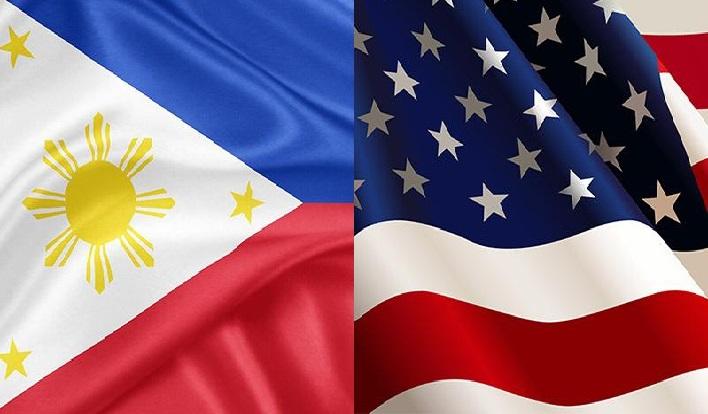
About 25 senior US executives and investors are heading to the Philippines this month for a five-day mission that Manila is positioning as a showcase of its ambitions to attract more foreign capital and cement its role in US-linked supply chains. The visit, organized by the Philippine Trade and Investment Center (PTIC) in New York alongside Philippine consulates and business groups, will run from July 6 to 10 and take investors through Manila, Clark, Subic and Corregidor Island.
Delegates, drawn from major US investment firms in the Northeast, Midwest and other regions, are scheduled to meet Philippine government leaders, economic and tourism officials, as well as local banks and business groups. A central stop is a business forum hosted by the American Chamber of Commerce of the Philippines together with domestic financial institutions and industry associations, where opportunities in green energy, banking, telecommunications, manufacturing, housing, tourism and shipping will be in focus.
Officials are using the mission to highlight the country’s growing digital network and skilled workforce, as well as recent moves to deepen economic ties with Washington. The visit follows the Philippines’ inclusion in the US-backed Pax Silica initiative, which aims to secure global artificial intelligence supply chains. In April, the two countries announced plans for a 1,618-hectare AI-native hub in New Clark City in Tarlac, designed to attract AI and chip manufacturing investment. Washington is also a key partner in the Luzon Economic Corridor, an effort to bolster connectivity among Metro Manila, Clark, Subic and Batangas.
Beyond conference halls in the capital, the delegation will tour active development areas managed by local hub authorities in Clark and Subic to assess infrastructure on the ground, according to PTIC statements. The itinerary will close with a visit to Corregidor Island, a historic site that Philippine officials say underscores the longstanding relationship between the two countries. The trade mission, they add, comes as Manila is "actively working to welcome international businesses and establish itself as a key partner for US companies looking to grow in Asia," with US goods trade with the Philippines estimated at about $41 billion by the Philippine Statistics Authority.


